Let’s explore something powerful, bright, and full of energy fire. When writers talk about fire, they often want to show heat, danger, passion, anger, or even hope.
One of the easiest and most creative ways to do this is by using similes.
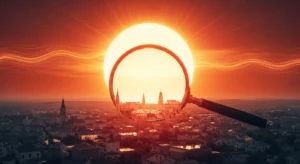
In simple terms, a simile compares one thing to another using the words “like” or “as.” You might say “The fire burned like the sun.” That one small comparison instantly helps the reader imagine how strong and bright the fire is.
Similes make writing more colorful and fun. They help readers see, feel, and imagine what you are describing. If you are new to creative writing, learning similes is a great place to start.
In this guide, we’ll focus only on similes for fire, explain their meanings, and show how to use them in real sentences. By the end, you’ll also learn how to create your own similes with confidence. Let’s explore together.
20 Similes for Fire (With Meaning and Examples)
1. Fire like a roaring lion
Meaning: Strong and loud
Explanation: Shows power and fear
Examples:
• The fire roared like a lion in the forest.
• Flames rose like a roaring lion at night.
2. Fire like the sun
Meaning: Very bright and hot
Explanation: Compares fire to extreme heat
Examples:
• The fire burned like the sun at noon.
• Sparks glowed like the sun in the dark.
3. Fire like a hungry beast
Meaning: Spreading fast
Explanation: Shows how fire consumes everything
Examples:
• The fire moved like a hungry beast.
• Flames ate the house like a hungry beast.
4. Fire like dancing ribbons
Meaning: Moving beautifully
Explanation: Describes gentle flames
Examples:
• The fire moved like dancing ribbons.
• Flames twisted like dancing ribbons in the air.
5. Fire like molten gold
Meaning: Glowing and shiny
Explanation: Shows beauty and color
Examples:
• The fire shone like molten gold.
• Sparks flowed like molten gold.
6. Fire like a raging storm
Meaning: Wild and uncontrollable
Explanation: Shows danger
Examples:
• The fire spread like a raging storm.
• Flames crashed like a raging storm.
7. Fire like sharp teeth
Meaning: Destructive
Explanation: Shows harm and danger
Examples:
• The fire bit like sharp teeth.
• Flames tore walls like sharp teeth.
8. Fire like liquid light
Meaning: Bright and flowing
Explanation: Describes smooth movement
Examples:
• The fire flowed like liquid light.
• Flames poured like liquid light.
9. Fire like boiling anger
Meaning: Intense emotion
Explanation: Shows strong feelings
Examples:
• His anger burned like fire.
• Her words flared like boiling anger.
10. Fire like a red river
Meaning: Spreading continuously
Explanation: Shows movement
Examples:
• Fire ran like a red river.
• Flames streamed like a red river.
11. Fire like cracking thunder
Meaning: Loud and sudden
Explanation: Shows noise
Examples:
• Fire burst like cracking thunder.
• Flames snapped like thunder.
12. Fire like glowing eyes
Meaning: Intense and watching
Explanation: Adds mystery
Examples:
• The fire stared like glowing eyes.
• Flames blinked like glowing eyes.
13. Fire like a blazing crown
Meaning: Powerful and proud
Explanation: Shows strength
Examples:
• Flames rose like a blazing crown.
• Fire sat like a blazing crown.
14. Fire like wild horses
Meaning: Fast and free
Explanation: Shows speed
Examples:
• Fire ran like wild horses.
• Flames charged like wild horses.
15. Fire like burning needles
Meaning: Sharp pain
Explanation: Shows discomfort
Examples:
• Heat felt like burning needles.
• Fire pricked like burning needles.
16. Fire like a glowing snake
Meaning: Twisting movement
Explanation: Shows shape
Examples:
• Flames curled like a glowing snake.
• Fire slithered like a snake.
17. Fire like shattered glass
Meaning: Sharp sparks
Explanation: Describes sparks flying
Examples:
• Sparks flew like shattered glass.
• Fire cracked like glass.
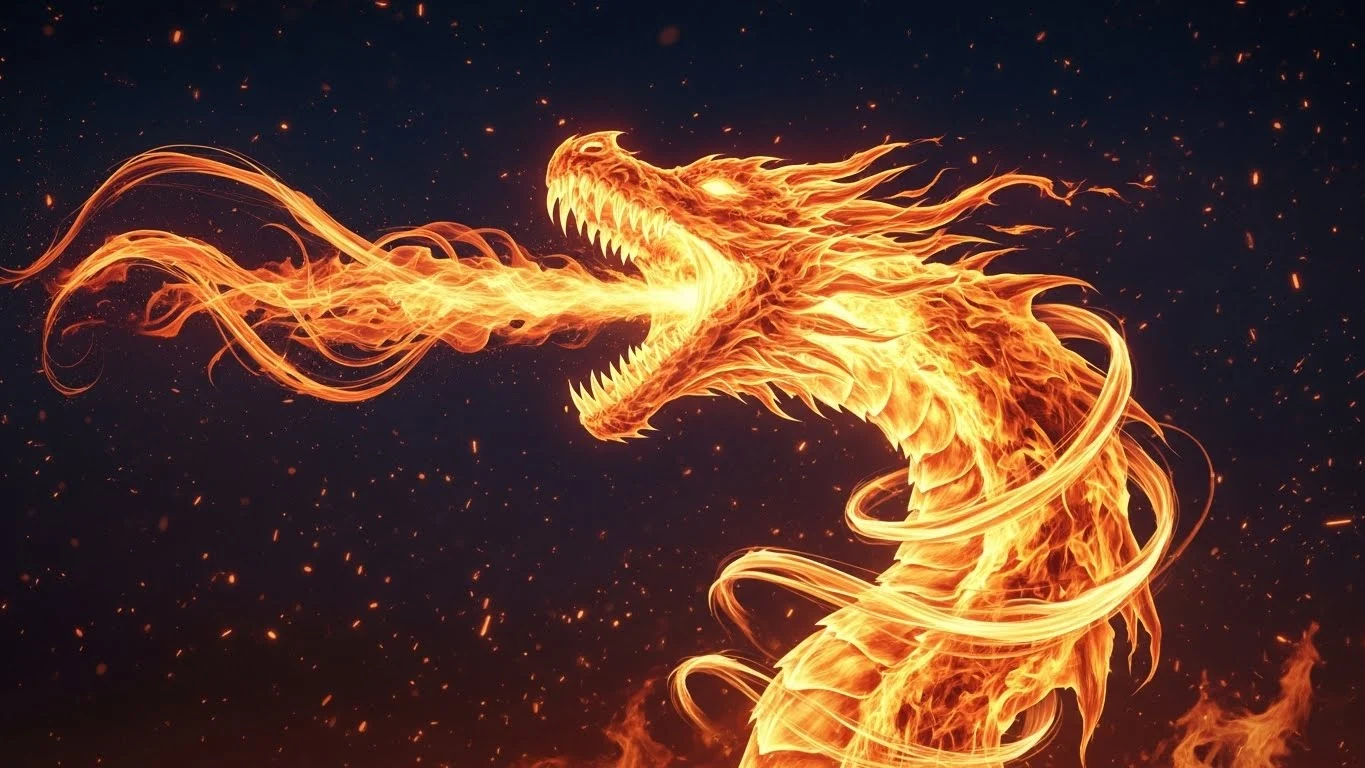
18. Fire like a red dragon
Meaning: Powerful and dangerous
Explanation: Mythical image
Examples:
• Fire roared like a red dragon.
• Flames attacked like a dragon.
19. Fire like a burning heart
Meaning: Passion
Explanation: Shows emotion
Examples:
• His passion burned like fire.
• Her dream glowed like a burning heart.
20. Fire like endless waves
Meaning: Constant movement
Explanation: Shows repetition
Examples:
• Flames rolled like endless waves.
• Fire moved like ocean waves.
Practical Exercise: Test Yourself
Questions
- Complete: The fire spread ___ a hungry beast.
- Identify the simile: The flames danced like ribbons.
- Fill in the blank: Fire burned ___ the sun.
- Which word makes this a simile: like or is?
- Choose the simile:
a) Fire is anger
b) Fire burns like anger - Complete: Sparks flew ___ shattered glass.
- Is this a simile? Fire is a dragon.
- Fill in: Flames moved ___ wild horses.
- Identify the comparison word: as / like
- Write one simile for fire.
Answers with Explanations
- like – uses comparison
- Like ribbons – compares fire to ribbons
- like – shows similarity
- like – similes use like/as
- b – includes “like”
- like – comparison word
- No – that’s a metaphor
- like – shows speed
- like – simile word
- Answers may vary – creativity encouraged
Conclusion
Similes help turn simple writing into something vivid and exciting. When you use similes for fire, you don’t just say it’s hot or bright you help the reader feel it. That’s the real power of creative writing similes.
By learning the meaning of similes and practicing simile sentences, you train your brain to think creatively. Over time, writing similes becomes natural and fun.
So next time you write a story, poem, or paragraph, try adding a simile. You might say, “The fire burned like a wild storm,” and suddenly your writing comes alive. Keep practicing, keep exploring, and most importantly enjoy the process.

I am James is a passionate writer and educator at Simlixs.com, where he focuses on making creative writing simple, engaging, and easy to understand. His goal is to help students, beginners, and language learners improve their writing skills through clear explanations and relatable examples.