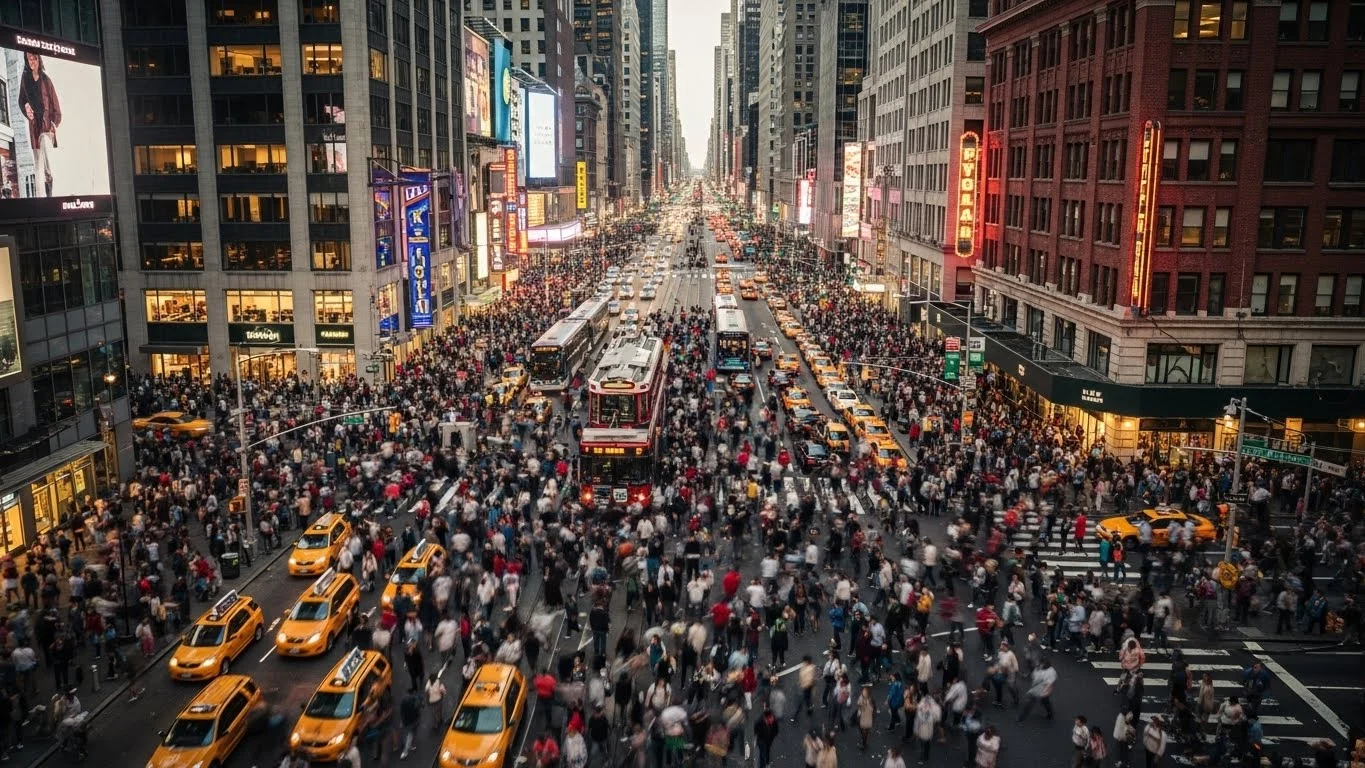
Have you ever walked into a market, festival, classroom, or train station and thought, “Wow, this place is packed!” Sometimes, simple words like busy or full don’t feel strong enough to describe that feeling. That’s where similes come in.
In simple terms, similes help us paint pictures with words. Instead of just telling the reader that a place is crowded, you show it in a way they can imagine, feel, and even hear. For example, saying “The room was crowded like a can of sardines” instantly creates a clear image in your mind.
If you’re learning creative writing, similes are one of the easiest and most powerful tools to start with. They make your sentences more colorful, emotional, and fun to read. And the best part? You don’t need fancy language to use them well.
In this post, let’s explore similes for a crowded place, understand their meanings, see real simile sentences, and even practice creating your own. Think of this as a friendly chat that helps you grow as a writer.
20 Similes for a Crowded Place (With Meaning & Examples)
1. The place was crowded like a can of sardines
Meaning: Extremely tight and packed
Explanation: Shows no space to move
Examples:
- The bus was crowded like a can of sardines during rush hour.
- We stood crowded like sardines in the small elevator.
2. The street was packed like a beehive
Meaning: Busy and full of movement
Explanation: Suggests noise and constant activity
Examples:
- The market was packed like a beehive before Eid.
- The fair buzzed like a beehive with visitors.
3. The hall was full like grains in a sack
Meaning: Completely filled
Explanation: Shows maximum capacity
Examples:
- The wedding hall was full like grains in a sack.
- The classroom felt full like a sack of rice.
4. People were gathered like ants around sugar
Meaning: Large numbers drawn to one spot
Explanation: Suggests attraction and clustering
Examples:
- Shoppers gathered like ants around sugar during the sale.
- Kids crowded like ants around the ice-cream cart.
5. The room felt crowded like a jammed drawer
Meaning: Too many things in one place
Explanation: Shows discomfort and disorder
Examples:
- The hostel room felt crowded like a jammed drawer.
- His small shop was packed like an overfilled drawer.
6. The stadium roared like a sea of people
Meaning: Huge crowd together
Explanation: Emphasizes size and sound
Examples:
- The stadium looked like a sea of people.
- Fans moved like waves in a sea of people.
7. The market was crowded like a festival ground
Meaning: Extremely busy
Explanation: Suggests excitement and noise
Examples:
- The bazaar was crowded like a festival ground.
- The streets looked festive and packed like a fair.
8. The bus stop was packed like luggage in a trunk
Meaning: No extra space
Explanation: Shows squeezing and pressure
Examples:
- We stood packed like luggage in a trunk.
- Commuters were squeezed like bags in a suitcase.
9. The classroom buzzed like a crowded hive
Meaning: Noisy and busy
Explanation: Focuses on sound and movement
Examples:
- The classroom buzzed like a crowded hive.
- The hall hummed like a beehive before the show.
10. The street overflowed like a flooded riverbank
Meaning: Too many people
Explanation: Shows overflow beyond limits
Examples:
- The street overflowed like a flooded riverbank.
- People spilled out like water from a river.
11. The place felt tight like shoes one size too small
Meaning: Uncomfortable crowding
Explanation: Relates crowding to physical discomfort
Examples:
- The train felt tight like shoes too small.
- The café felt cramped and uncomfortable.
12. The crowd moved like a slow-moving wave
Meaning: Large group moving together
Explanation: Shows shared motion
Examples:
- The crowd moved like a slow wave toward the exit.
- People flowed like water through the gate.
13. The shop was crowded like a sale day rush
Meaning: Extremely busy
Explanation: Uses a common experience
Examples:
- The store was crowded like a sale day rush.
- Shoppers pushed past each other.
14. The hall was noisy like a packed cafeteria
Meaning: Loud and crowded
Explanation: Emphasizes sound
Examples:
- The hall sounded like a packed cafeteria.
- Voices echoed everywhere.
15. People stood shoulder to shoulder like books on a shelf
Meaning: Very close together
Explanation: Shows neat but tight spacing
Examples:
- We stood like books on a shelf.
- The line was tight and orderly.
16. The crowd swarmed like flies
Meaning: Large and overwhelming
Explanation: Shows intensity
Examples:
- Fans swarmed like flies near the stage.
- Reporters gathered quickly.
17. The place felt stuffed like a pillow
Meaning: Overfilled
Explanation: Soft but full image
Examples:
- The hall felt stuffed like a pillow.
- The room had no breathing space.
18. The station was crowded like rush-hour traffic
Meaning: Peak crowd time
Explanation: Very relatable comparison
Examples:
- The station was crowded like rush-hour traffic.
- Everyone moved slowly.
19. The crowd pressed in like walls closing
Meaning: Claustrophobic
Explanation: Shows pressure and stress
Examples:
- The crowd pressed in like closing walls.
- He felt trapped in the crowd.
20. The place buzzed like a live wire
Meaning: Energetic and packed
Explanation: Shows intensity and excitement
Examples:
- The concert hall buzzed like a live wire.
- Energy filled the room.
Practical Exercise: Test Your Simile Skills
Questions
- The bus was crowded like a ______ of sardines.
- People gathered like ______ around sugar.
- The hall buzzed like a ______.
- The crowd moved like a slow ______.
- The shop was packed like luggage in a ______.
- The street overflowed like a flooded ______.
- The room felt tight like shoes one size too ______.
- Fans swarmed like ______ near the gate.
- People stood like books on a ______.
- The market was crowded like a ______ ground.
Answers & Explanations
- can – shows extreme tightness
- ants – shows attraction and numbers
- hive – suggests noise and movement
- wave – shows group motion
- trunk – shows lack of space
- riverbank – shows overflow
- small – shows discomfort
- flies – shows overwhelming numbers
- shelf – shows close placement
- festival – shows excitement and crowds
Conclusion
Similes are one of the simplest yet most powerful tools in creative writing. They help turn ordinary sentences into vivid images that readers can instantly understand and feel. When describing a crowded place, similes allow you to show the noise, movement, and emotion instead of just stating facts.
If you’re writing stories, essays, poems, or even social media captions, learning how to use similes in writing can make your words more engaging and memorable. As you’ve seen, good similes don’t have to be complicated, they just need to be relatable.
Now it’s your turn. Look around, notice the world, and try creating your own simile sentences. The more you practice, the more natural it will feel.
About The Author