Air is everywhere, yet it’s hard to describe. You can’t see it clearly, but you can feel it, hear it, and sense its mood. That’s where similes for air become useful. In simple terms, similes help us explain something by comparing it to something familiar using like or as.
When writers describe air with similes, the invisible suddenly feels real. For example, instead of saying “the air was cold,” you might say “the air was like ice brushing my skin.” Now the reader can almost feel it. That’s the power of similes.
If you’re new to creative writing, don’t worry. Similes are one of the easiest tools to learn. They make your sentences clearer, more vivid, and more enjoyable to read.
In this post, let’s explore what similes are, how they work, and why they matter. You’ll also see plenty of examples of similes, simple explanations, and practice questions to help you use them with confidence.
20 Similes for Air (With Meaning & Examples)
1. The air felt like ice against my skin.
Meaning: Very cold air.
Explanation: Shows sharp, biting cold.
Examples:
- The air felt like ice against my face.
- The morning air touched me like ice.
Read more: Similes for 5th Grade: Meaning, Examples, and Fun Practice
2. The air moved like a gentle wave.
Meaning: Soft, calm breeze.
Explanation: Creates a peaceful feeling.
Examples:
- The air moved like a gentle wave.
- Cool air flowed like water.
3. The air hung like a heavy blanket.
Meaning: Thick, humid air.
Explanation: Makes the air feel suffocating.
Examples:
- The air hung like a heavy blanket.
- Heat made the air feel thick.
Read more: Similes for Your Mom Explained With Simple Examples
4. The air was as fresh as morning dew.
Meaning: Clean, refreshing air.
Explanation: Suggests newness and purity.
Examples:
- The mountain air was fresh as dew.
- Early air felt clean and light.
5. The air whispered like a quiet secret.
Meaning: Soft moving air.
Explanation: Adds a gentle, calm tone.
Examples:
- The air whispered through the trees.
- Night air whispered softly.
6. The air rushed like a speeding river.
Meaning: Strong, fast wind.
Explanation: Shows power and motion.
Examples:
- The air rushed past my ears.
- The wind moved like a river.
7. The air was as still as glass.
Meaning: No movement in the air.
Explanation: Creates silence and tension.
Examples:
- The air was still as glass.
- The room felt frozen.
8. The air pressed down like invisible weight.
Meaning: Heavy, uncomfortable air.
Explanation: Shows pressure and heat.
Examples:
- The air pressed on my chest.
- Summer air felt crushing.
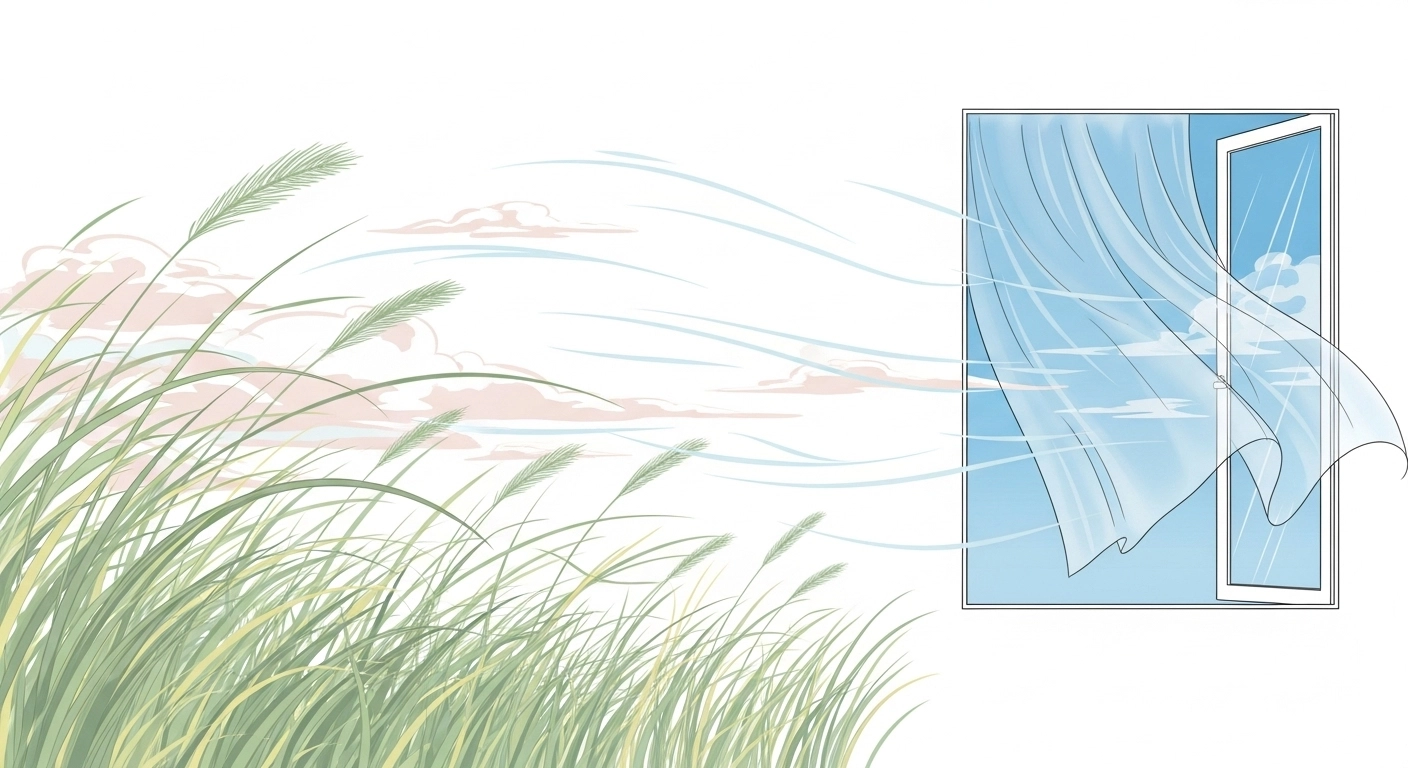
9. The air danced like silk ribbons.
Meaning: Light, playful breeze.
Explanation: Adds beauty and motion.
Examples:
- The air danced around us.
- Curtains moved like ribbons.
10. The air tasted like dust.
Meaning: Dry, dirty air.
Explanation: Appeals to the senses.
Examples:
- Desert air tasted like dust.
- The storm left dust in the air.
11. The air cracked like dry paper.
Meaning: Extremely dry air.
Explanation: Shows dryness clearly.
Examples:
- Winter air cracked my lips.
- The air felt sharp and dry.
12. The air flowed like a soft sigh.
Meaning: Calm, soothing breeze.
Explanation: Creates relaxation.
Examples:
- The air flowed gently.
- Evening air sighed.
13. The air was thick like soup.
Meaning: Humid air.
Explanation: Makes air feel heavy.
Examples:
- The air was thick like soup.
- Humidity filled the room.
14. The air shimmered like heat on a road.
Meaning: Hot air.
Explanation: Shows heat visually.
Examples:
- The air shimmered in the sun.
- Heat made the air ripple.
15. The air wrapped around me like a scarf.
Meaning: Warm air.
Explanation: Suggests comfort.
Examples:
- Warm air wrapped around me.
- The breeze felt cozy.
16. The air snapped like a whip.
Meaning: Sharp, cold wind.
Explanation: Shows sudden cold.
Examples:
- Cold air snapped at my face.
- The wind struck hard.
17. The air drifted like falling feathers.
Meaning: Very light breeze.
Explanation: Gentle and calm mood.
Examples:
- The air drifted softly.
- The leaves moved gently.
18. The air buzzed like a hive.
Meaning: Air full of noise or tension.
Explanation: Shows energy.
Examples:
- The air buzzed before the game.
- Excitement filled the room.
19. The air felt empty like a hollow room.
Meaning: Lifeless or quiet air.
Explanation: Creates loneliness.
Examples:
- The air felt empty.
- Silence filled the space.
20. The air sparkled like clean glass.
Meaning: Very clear air.
Explanation: Shows brightness and clarity.
Examples:
- The air sparkled after the rain.
- Fresh air felt pure.
Practical Exercise: Practice Using Similes
Questions
- Complete: The air was as cold as ______.
- Identify the simile: The air felt like fire.
- Fill in: The air hung like a ______.
- Is this a simile? The air was cold.
- Choose the better simile for humidity.
- Complete: The air whispered like a ______.
- What does “air thick like soup” mean?
- Identify the comparison word.
- Complete: The air rushed like a ______.
- Write one simile for fresh air.
Answers (With Explanations)
- Ice – shows cold clearly.
- Yes – uses like.
- Blanket – shows heaviness.
- No – no comparison.
- Thick like soup – best image.
- Secret – soft sound.
- Humid air.
- Like / As.
- River – shows speed.
- Example: Air fresh as dew.
Conclusion
Similes help writers bring invisible things, like air, to life. By using creative writing similes, you turn simple sentences into vivid experiences. Readers don’t just read your words, they feel them. That’s why understanding the meaning of similes is so important.
The best way to learn is to practice. Listen to the air around you. Is it soft, heavy, cold, or still? Then compare it to something familiar. Over time, using similes in writing will feel natural and fun. So go ahead, experiment, explore, and let your words breathe.

I am Theodore is a creative content writer at Simlixs.com who focuses on similes and simple language learning. He writes clear, engaging content to help readers improve their writing skills.