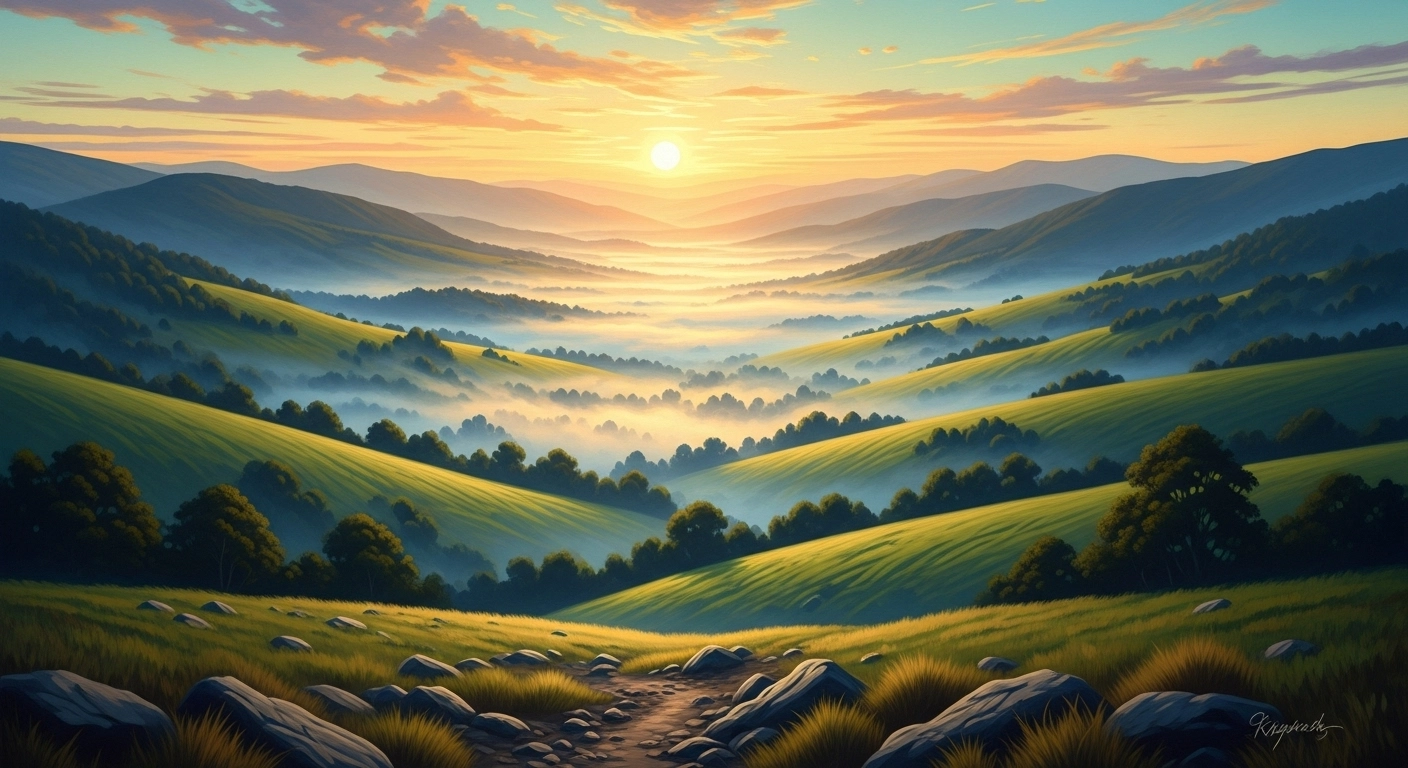
Have you ever visited a place so stunning that words just didn’t feel enough? That’s exactly where similes come in. When writers describe beautiful places, similes help turn simple descriptions into vivid pictures.
In simple terms, similes compare one thing to another using “like” or “as.” They help readers see, feel, and imagine a place instead of just reading about it.
For example, instead of saying “The valley was beautiful,” you might say, “The valley spread out like a green carpet under the sun.” Suddenly, the scene feels alive. That’s the magic of similes.
In creative writing, similes make descriptions clearer, more emotional, and more memorable. They are especially useful when writing about nature, travel, landscapes, or dreamy locations. You might say a beach feels like paradise or a mountain stands like a silent guardian. These comparisons help readers connect with your words.
In this guide, let’s explore similes for beautiful places, see real examples of similes in context, and learn how to use similes in writing with confidence even if you’re a beginner.
20 Similes for Beautiful Places (With Meaning & Examples)
1. The place was like a slice of heaven.
Meaning: Extremely beautiful and peaceful.
Explanation: Compares beauty to heaven.
Examples:
- The hilltop village was like a slice of heaven.
- The garden felt like a slice of heaven at sunrise.
2. The beach shimmered like a jewel in the sun.
Meaning: Bright and eye-catching.
Explanation: Shows sparkle and value.
Examples:
- The island beach shimmered like a jewel in the sun.
- At noon, the shore looked like a glowing jewel.
3. The valley lay like a green blanket.
Meaning: Lush and calming.
Explanation: Highlights softness and color.
Examples:
- The valley lay like a green blanket below us.
- From above, it looked like a blanket of green.
4. The city lights sparkled like stars.
Meaning: Bright and magical.
Explanation: Compares lights to stars.
Examples:
- At night, the city lights sparkled like stars.
- The skyline glowed like stars in the dark.
5. The garden bloomed like a painted canvas.
Meaning: Colorful and artistic.
Explanation: Suggests beauty and design.
Examples:
- The garden bloomed like a painted canvas.
- Every corner looked like a work of art.
6. The mountains stood like silent giants.
Meaning: Grand and powerful.
Explanation: Shows size and strength.
Examples:
- The mountains stood like silent giants.
- Giants of stone guarded the land.
7. The lake was as clear as glass.
Meaning: Perfectly clear.
Explanation: Emphasizes purity.
Examples:
- The lake was as clear as glass.
- You could see straight through the water.
8. The village rested like a dream.
Meaning: Calm and unreal.
Explanation: Creates a dreamy mood.
Examples:
- The village rested like a dream in the hills.
- It felt unreal and peaceful.
9. The desert glowed like gold.
Meaning: Warm and radiant.
Explanation: Shows color and richness.
Examples:
- At sunset, the desert glowed like gold.
- The sand shone brightly.
10. The forest felt like a secret world.
Meaning: Hidden and magical.
Explanation: Suggests mystery.
Examples:
- The forest felt like a secret world.
- Every path held a surprise.
11. The waterfall flowed like silver ribbons.
Meaning: Smooth and shining.
Explanation: Highlights movement and shine.
Examples:
- Water flowed like silver ribbons.
- The falls sparkled beautifully.
12. The meadow spread like a sea of flowers.
Meaning: Full and colorful.
Explanation: Shows abundance.
Examples:
- The meadow spread like a sea of flowers.
- Flowers waved in the breeze.
13. The island felt like paradise.
Meaning: Perfect and relaxing.
Explanation: Common travel simile.
Examples:
- The island felt like paradise.
- Every moment felt perfect.
14. The sky looked like a watercolor painting.
Meaning: Soft and artistic.
Explanation: Shows gentle colors.
Examples:
- The sky looked like a watercolor painting.
- Colors blended smoothly.
15. The town shone like a gem at night.
Meaning: Bright and charming.
Explanation: Emphasizes glow.
Examples:
- The town shone like a gem at night.
- Lights reflected beautifully.
16. The cliffs rose like walls of stone.
Meaning: Tall and dramatic.
Explanation: Shows height and power.
Examples:
- The cliffs rose like walls of stone.
- They looked strong and bold.
17. The river curved like a silver snake.
Meaning: Long and winding.
Explanation: Shows movement.
Examples:
- The river curved like a silver snake.
- It twisted through the land.
18. The garden smelled like heaven after rain.
Meaning: Pleasant and fresh.
Explanation: Appeals to senses
Examples:.
- The garden smelled like heaven after rain.
- The air felt clean and sweet.
19. The palace stood like a fairytale castle.
Meaning: Magical and grand.
Explanation: Creates fantasy.
Examples:
- The palace stood like a fairytale castle.
- It looked unreal.
20. The countryside rolled like gentle waves.
Meaning: Soft hills and calm scenery.
Explanation: Shows smooth movement.
Examples:
- The countryside rolled like gentle waves.
- Hills flowed into each other.
Practical Exercise: Practice Using Similes
Questions
- Complete: The beach shone like ___
- Identify the simile: The hills slept like tired giants.
- Choose the simile: Clear water is like ___
- Fill in: The city lights glittered like ___
- What word makes this a simile: as bright as gold?
- Complete: The garden looked like ___
- Identify: The forest felt like a secret place.
- Fill in: The sky was as soft as ___
- Choose: Mountains stood like ___
- Complete: The village felt like ___
Answers & Explanations
- A jewel (shows beauty)
- like tired giants (comparison)
- Glass (clarity)
- Stars (brightness)
- as (comparison word)
- A painting (artistic beauty)
- like a secret place (simile phrase)
- Cotton (softness)
- Giants (size and strength)
- A dream (peaceful feeling)
Conclusion
Similes are powerful tools in creative writing. They help you explain beauty in ways that feel natural, emotional, and easy to imagine. Instead of plain descriptions, similes turn places into experiences your reader can see and feel.
If you’re writing stories, travel blogs, poems, or simple paragraphs, knowing how to use similes in writing will instantly improve your work.
The best part? You don’t need fancy words. Just compare what you see to something familiar. With practice, creating simple sentences will feel natural and fun. So next time you visit a beautiful place, try describing it with a smile and you might surprise yourself.
I am Theodore is a creative content writer at Simlixs.com who focuses on similes and simple language learning. He writes clear, engaging content to help readers improve their writing skills.