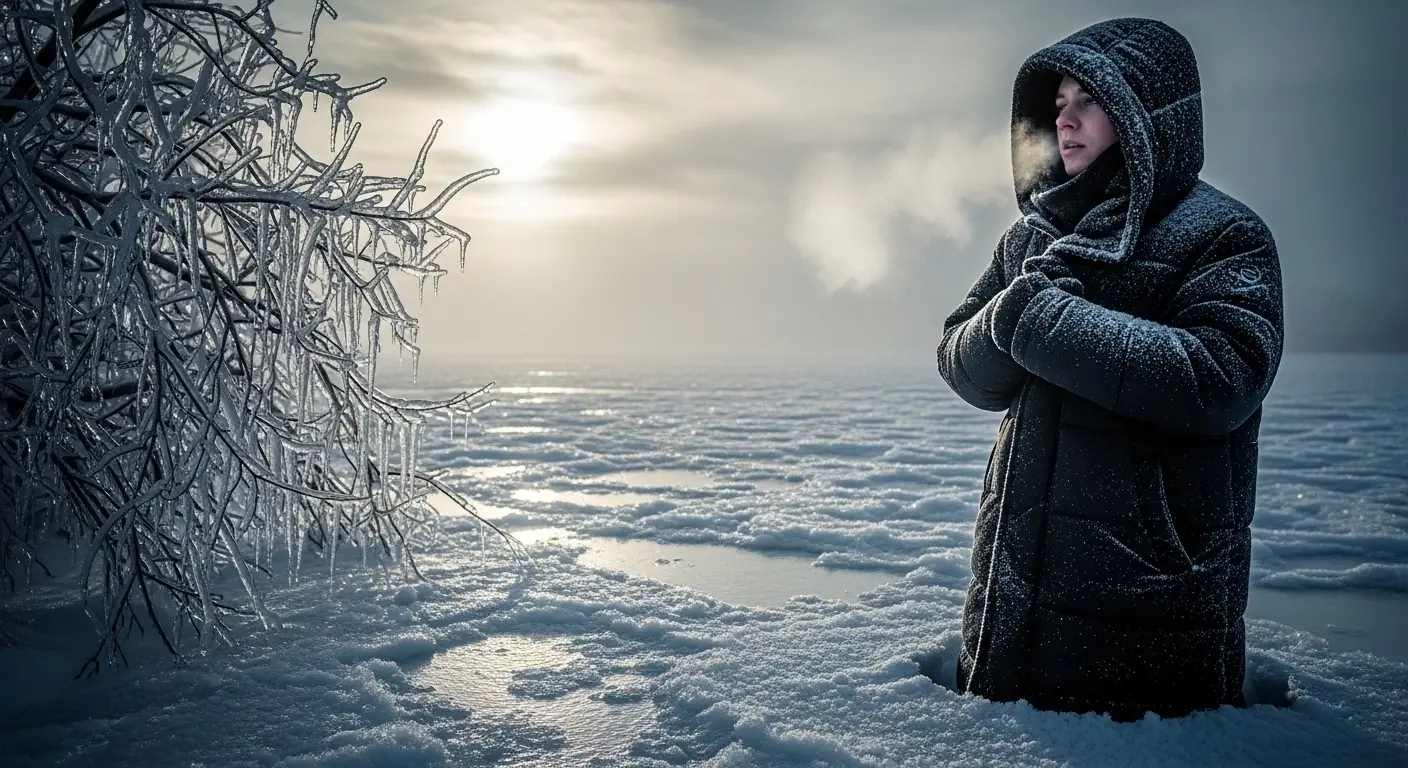
Have you ever tried to describe how cold you felt, but simple words like “very cold” just didn’t feel strong enough? That’s where similes come in.
In creative writing, similes help us turn ordinary feelings into vivid images that readers can actually feel.
Instead of saying “I was cold,” you might say “I was as cold as ice.” Suddenly, the reader understands your feeling instantly.
In simple terms, similes compare one thing to another using words like “as” or “like.” They make writing more colorful, more emotional, and more memorable.
if you’re writing a story, poem, school essay, or even social media captions, similes can bring your words to life.
Let’s explore how similes are used for cold work, why writers love using them, and how you can start creating your own.
Don’t worry this guide is beginner–friendly, conversational, and packed with clear examples of similes used in real sentences.
What Is a Simile? (Quick & Simple Explanation)
A simile is a figure of speech that compares two different things using “like” or “as.”
For example:
- As cold as ice
- Cold like winter air
The meaning of similes is simple: they help readers imagine feelings, actions, or situations more clearly. In creative writing, similes add emotion and detail without using long descriptions. That’s why simile sentences are so powerful and easy to remember.
20 Similes for Being Cold (With Meaning & Examples)
1. As cold as ice
Meaning: Extremely cold
Conveys: Sharp, intense cold
Examples:
- My hands were as cold as ice after the snowfall.
- The water felt as cold as ice on my skin.
2. Cold like a freezer
Meaning: Deeply chilled
Conveys: Uncomfortable cold
Examples:
- The room was cold like a freezer.
- His fingers felt cold like a freezer shelf.
3. As cold as winter wind
Meaning: Harsh cold
Conveys: Biting chill
Examples:
- Her face felt as cold as the winter wind.
- The night air was as cold as the winter wind.
4. Cold like snow
Meaning: Freezing and numb
Conveys: Soft but icy cold
Examples:
- His feet were cold like snow.
- The ground felt cold like snow under my shoes.
5. As cold as a frozen lake
Meaning: Extremely freezing
Conveys: Dangerous cold
Examples:
- The water was as cold as a frozen lake.
- His hands felt as cold as a frozen lake.
6. Cold like metal in winter
Meaning: Sharp cold
Conveys: Painful chill
Examples:
- The railing felt cold like metal in winter.
- The chair was cold like metal in winter.
7. As cold as ice cubes
Meaning: Very cold to touch
Conveys: Sudden chill
Examples:
- My fingers were as cold as ice cubes.
- The drink left my lips as cold as ice cubes.
8. Cold like a snowman
Meaning: Frozen cold
Conveys: Playful cold image
Examples:
- He stood there cold like a snowman.
- Her hands felt cold like a snowman’s body.
9. As cold as Antarctica
Meaning: Extremely cold
Conveys: Extreme environment
Examples:
- The office was as cold as Antarctica.
- The night felt as cold as Antarctica.
10. Cold like ice water
Meaning: Shocking cold
Conveys: Sudden freeze
Examples:
- The splash felt cold like ice water.
- My feet turned cold like ice water.
11. As cold as a freezer burn
Meaning: Painfully cold
Conveys: Stinging chill
Examples:
- The wind was as cold as a freezer burn.
- Her hands felt as cold as a freezer burn.
12. Cold like frost
Meaning: Light but sharp cold
Conveys: Crisp chill
Examples:
- The air felt cold like frost.
- His breath turned cold like frost.
13. As cold as a block of ice
Meaning: Solid cold
Conveys: Heavy freezing feeling
Examples:
- My hands were as cold as a block of ice.
- The floor felt as cold as a block of ice.
14. Cold like a winter morning
Meaning: Fresh cold
Conveys: Calm chill
Examples:
- The breeze was cold like a winter morning.
- Her face felt cold like a winter morning.
15. As cold as a snowstorm
Meaning: Powerful cold
Conveys: Wild chill
Examples:
- The night was as cold as a snowstorm.
- His jacket felt useless in the cold as a snowstorm.
16. Cold like frozen glass
Meaning: Hard cold
Conveys: Slippery chill
Examples:
- The window felt cold like frozen glass.
- His hands touched cold like frozen glass.
17. As cold as the Arctic
Meaning: Extreme freezing
Conveys: Harsh cold
Examples:
- The weather was as cold as the Arctic.
- My fingers were as cold as the Arctic.
18. Cold like a deep cave
Meaning: Chilling cold
Conveys: Still and dark cold
Examples:
- The room felt cold like a deep cave.
- His breath echoed in the cold like a deep cave air.
19. As cold as frozen steel
Meaning: Extremely cold
Conveys: Industrial chill
Examples:
- The bench felt as cold as frozen steel.
- His hands were as cold as frozen steel.
20. Cold like ice in the shade
Meaning: Long-lasting cold
Conveys: Hidden chill
Examples:
- The stone felt cold like ice in the shade.
- Her fingers stayed cold like ice in the shade.
Practical Exercise: Test Your Simile Skills
Questions
- Complete the simile: As cold as ___
- Identify the simile: “His hands felt cold like ice water.”
- Choose the simile:
a) Very cold
b) Cold like frost - Fill in the blank: Cold like a ___ morning
- Which word makes it a simile: cold as snow?
- Write a simile using “like.”
- Identify the comparison: As cold as Antarctica
- Choose the correct simile for a sharp cold.
- True or false: Similes use “like” or “as.”
- Create a simile for winter cold.
Answers (With Explanations)
- Ice compares cold to ice
- “Cold like ice water” uses “like”
- b comparison makes it a simile
- Winter clear imagery
- “As” comparison word
- Example: Cold like snow
- Antarctica extreme cold
- Cold like metal in winter
- True that’s the rule
- Example: As cold as a frozen lake
Conclusion
Similes are one of the easiest and most powerful tools in creative writing. They help turn simple feelings, like being cold, into vivid images readers can feel and imagine. By learning how to use similes in writing, you instantly make your sentences more engaging and expressive.
The best part? You don’t need to be an expert writer. Just start comparing what you feel to something familiar. Practice using simple sentences in your daily writing, and soon it will feel natural. So next time you’re cold, don’t just say it and show it with a smile.

I am Liam Payne is a renowned British singer and songwriter, formerly of One Direction. His solo career and unique style have inspired fans worldwide simlixs.com.