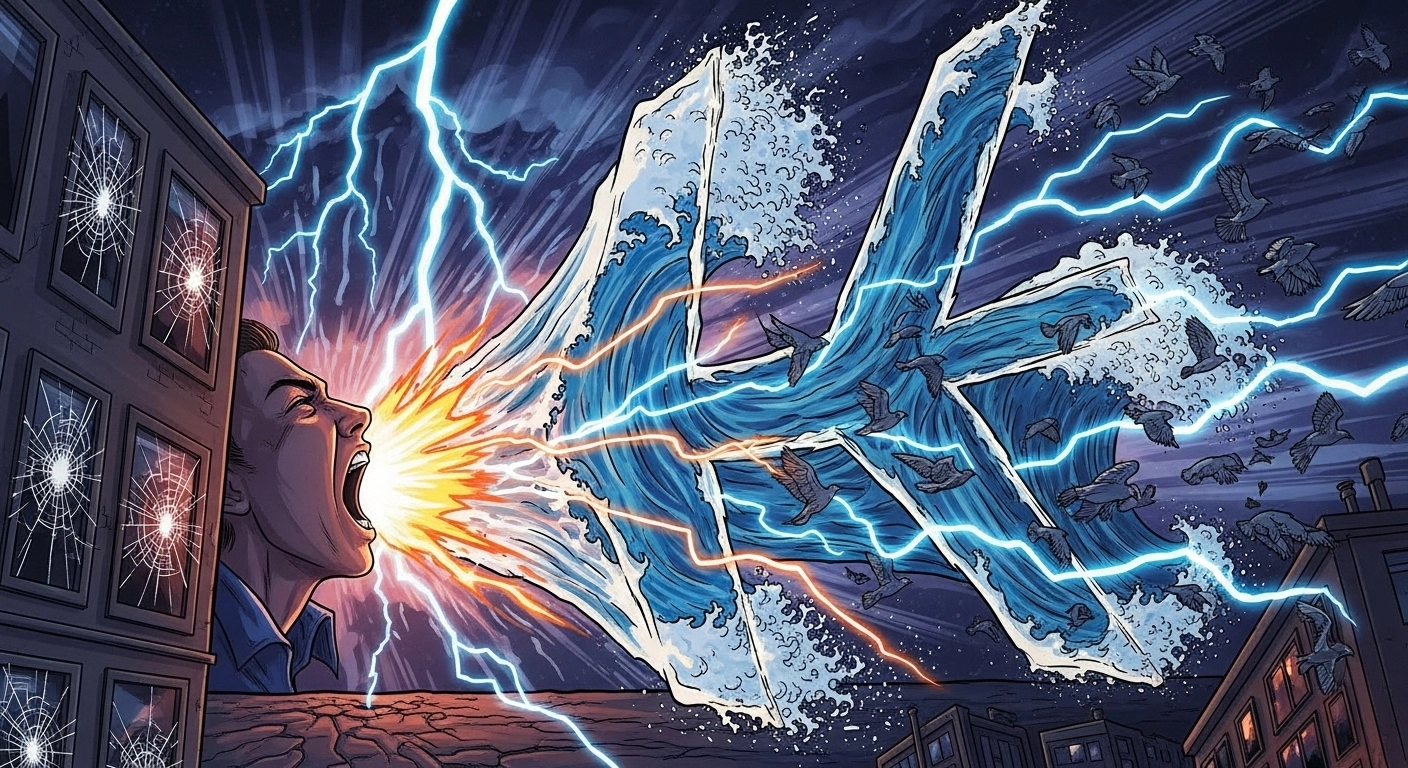
Have you ever tried to describe something really loud in your writing, but words like noisy or loud just didn’t feel strong enough? That’s where similes come in.
Similes help your reader hear the sound, not just read about it. In simple terms, a simile compares one thing to another using “like” or “as.” When you say, “He was loud like thunder,” your reader instantly imagines a booming, powerful noise.
That’s the magic of similes. They turn plain writing into colorful, creative writing that sticks in the reader’s mind.
If you’re a student, a beginner writer, or someone learning creative writing, understanding similes can make your sentences clearer and more exciting.
In this article, we’ll explore similes for being loud, look at their meanings, and see how they’re used in real simile sentences. By the end, you’ll know how to spot similes and even create your own with confidence.
So let’s explore how to describe loud sounds in a fun, simple, and creative way.
20 Similes for Being Loud (With Meaning & Examples)
1. Loud like thunder
Meaning: Extremely powerful and booming
Explanation: Compares sound to a thunderclap
Examples:
- His voice was loud like thunder during the argument.
- The announcement echoed loud like thunder across the hall.
2. Loud as a siren
Meaning: Sharp and attention-grabbing
Explanation: Suggests urgency and volume
Examples:
- The alarm rang loud as a siren.
- Her scream was loud as a siren in the night.
3. Loud like fireworks
Meaning: Sudden and explosive
Explanation: Shows excitement or shock
Examples:
- The crowd erupted loud like fireworks.
- His laugh burst out loud like fireworks.
4. Loud as a drum
Meaning: Steady and forceful
Explanation: Compares sound to rhythmic beating
Examples:
- His footsteps were loud as a drum.
- The music thumped loud as a drum.
5. Loud like a lion’s roar
Meaning: Strong and commanding
Explanation: Suggests dominance
Examples:
- He shouted loudly like a lion’s roar.
- The engine growled loud like a lion’s roar.
6. Loud as crashing waves
Meaning: Continuous and overwhelming
Explanation: Shows nonstop noise
Examples:
- The party music was loud as crashing waves.
- Applause rolled loud as crashing waves.
7. Loud like a jet engine
Meaning: Extremely intense
Explanation: Modern, powerful comparison
Examples:
- The generator roared loud like a jet engine.
- His snoring was loud like a jet engine.
8. Loud as a foghorn
Meaning: Deep and echoing
Explanation: Low, booming sound
Examples:
- The ship’s horn blew loud as a foghorn.
- His voice carried loud as a foghorn.
9. Loud like breaking glass
Meaning: Sharp and startling
Explanation: Sudden high-pitched noise
Examples:
- The crash sounded loud like breaking glass.
- Her shout cut the air loud like breaking glass.
10. Loud as a stadium crowd
Meaning: Collective and powerful
Explanation: Many voices combined
Examples:
- The fans cheered as loud as the stadium crowd.
- The classroom buzzed loud as a stadium crowd.
11. Loud like rolling thunder
Meaning: Deep and ongoing
Explanation: Strong but steady sound
Examples:
- His voice echoed loud like rolling thunder.
- The drums rumbled loud like rolling thunder.
12. Loud as a barking dog
Meaning: Repetitive and annoying
Explanation: Shows irritation
Examples:
- The neighbor’s music was loud as a barking dog.
- The alarm kept going loud as a barking dog.
13. Loud like clanging bells
Meaning: Metallic and ringing
Explanation: Clear, ringing sound
Examples:
- The church bells rang loud like clanging bells.
- The warning echoed loud like clanging bells.
14. Loud as a shouting crowd
Meaning: Chaotic and energetic
Explanation: Many voices at once
Examples:
- The market was as loud as a shouting crowd.
- The hallway grew loud as a shouting crowd.
15. Loud like an explosion
Meaning: Sudden and shocking
Explanation: Instant impact
Examples:
- The door slammed loud like an explosion.
- The cheer burst loud like an explosion.
16. Loud as thunder in the mountains
Meaning: Echoing and powerful
Explanation: Amplified sound
Examples:
- His yell echoed loud as thunder in the mountains.
- The blast rang loud as thunder in the mountains.
17. Loud like pounding drums
Meaning: Repetitive and intense
Explanation: Strong rhythm
Examples:
- The music hit loud like pounding drums.
- His heart beat loud like pounding drums.
18. Loud as a factory machine
Meaning: Mechanical and nonstop
Explanation: Industrial sound
Examples:
- The workshop buzzed loud as a factory machine.
- The engine ran loud as a factory machine.
19. Loud like a crashing cymbal
Meaning: Sharp and dramatic
Explanation: Musical emphasis
Examples:
- His laugh clashed loud like a crashing cymbal.
- The moment ended loud like a crashing cymbal.
20. Loud as a shouting match
Meaning: Aggressive and intense
Explanation: Emotional noise
Examples:
- The room grew loud as a shouting match.
- The debate turned loud as a shouting match.
Practical Exercise: Test Your Simile Skills
Questions
- Complete: His voice was loud like ________.
- Which simile fits a sudden noise?
- Fill in: The alarm rang loud as a ________.
- Identify the smile: “The crowd was loud like thunder.”
- Choose the best simile for steady noise.
- Complete: The engine roared loud like a ________.
- Which simile suggests repetition?
- Fill in: Her scream cut the air loud like ________.
- Identify the comparison word used in similes.
- Create a simile for being loud using “as.”
Answers with Explanations
- Thunder – Shows power
- Like an explosion – Sudden impact
- Siren – Sharp warning sound
- Loud like thunder – Uses “like”
- Loud as a drum – Steady rhythm
- Jet engine – Extreme volume
- Loud as a barking dog – Repeating noise
- Breaking glass – Sharp sound
- Like / As – Key simile words
- Example: Loud as a foghorn – Clear comparison
Conclusion
Similes are one of the easiest and most powerful tools in creative writing. They help readers understand sound, emotion, and action in a clear and vivid way. Instead of simply saying something is loud, similes allow you to show how loud it is using familiar comparisons.
By learning examples of similes and practicing simple sentences, you improve your writing naturally. Whether you’re writing stories, essays, or poems, knowing how to use similes in writing makes your work more engaging and expressive.
Now it’s your turn. Try creating your own similes for being loud using things you hear every day. The more you practice, the more confident and creative your writing will become.
About The Author