Have you ever walked into a place so full of people that it felt overwhelming? Maybe a busy market, a packed bus, or a festival where you could barely move. In moments like these, plain words like “crowded” sometimes feel too small. That’s where similes come in.
In simple terms, similes help you paint a clearer picture in the reader’s mind. Instead of just saying a place is crowded, you compare it to something familiar and vivid. This makes your writing more interesting and easier to imagine. For example, saying “the room was crowded like a can of sardines” instantly helps the reader feel the tight space.
If you’re new to creative writing, don’t worry. Similes are one of the easiest tools to learn. They use words like “as” or “like” to make comparisons, and they add life to simple sentences. In this post, let’s explore similes for crowds, see clear examples of similes in context, and practice using them yourself. By the end, you’ll feel confident creating your own creative writing similes.
What Is a Simile?
A simile is a figure of speech that compares two different things using “like” or “as.”
The meaning of similes is simple: they help explain one thing by comparing it to something familiar.
For example, instead of saying “the street was crowded,” you might say,
“The street was crowded like an ant trail.”
This comparison makes your writing stronger and more visual. That’s why simile sentences are common in stories, poems, and even daily conversations.
20 Similes for Crowded (With Meaning and Examples)
1. Crowded like a can of sardines
Meaning: Extremely tight and packed
Explanation: Shows no personal space
Examples:
• The bus was crowded like a can of sardines.
• We stood crowded like sardines in the elevator.
2. Crowded like ants on sugar
Meaning: Many people in one place
Explanation: Suggests busy movement
Examples:
• Tourists crowded the site like ants on sugar.
• Kids crowded the ice cream stall like ants.
Read more: Similes for Significant (With Meaning, Examples, and Practice)
3. Crowded like bees in a hive
Meaning: Full and busy
Explanation: Shows noise and activity
Examples:
• The office was crowded like bees in a hive.
• The hall buzzed, crowded like a hive.
4. Crowded like rush-hour traffic
Meaning: Overfilled and slow-moving
Explanation: Familiar city image
Examples:
• The hallway felt crowded like rush-hour traffic.
• The market moved like traffic at peak time.
Read more: Smelly Similes: Funny and Creative Comparisons for Smelling Bad
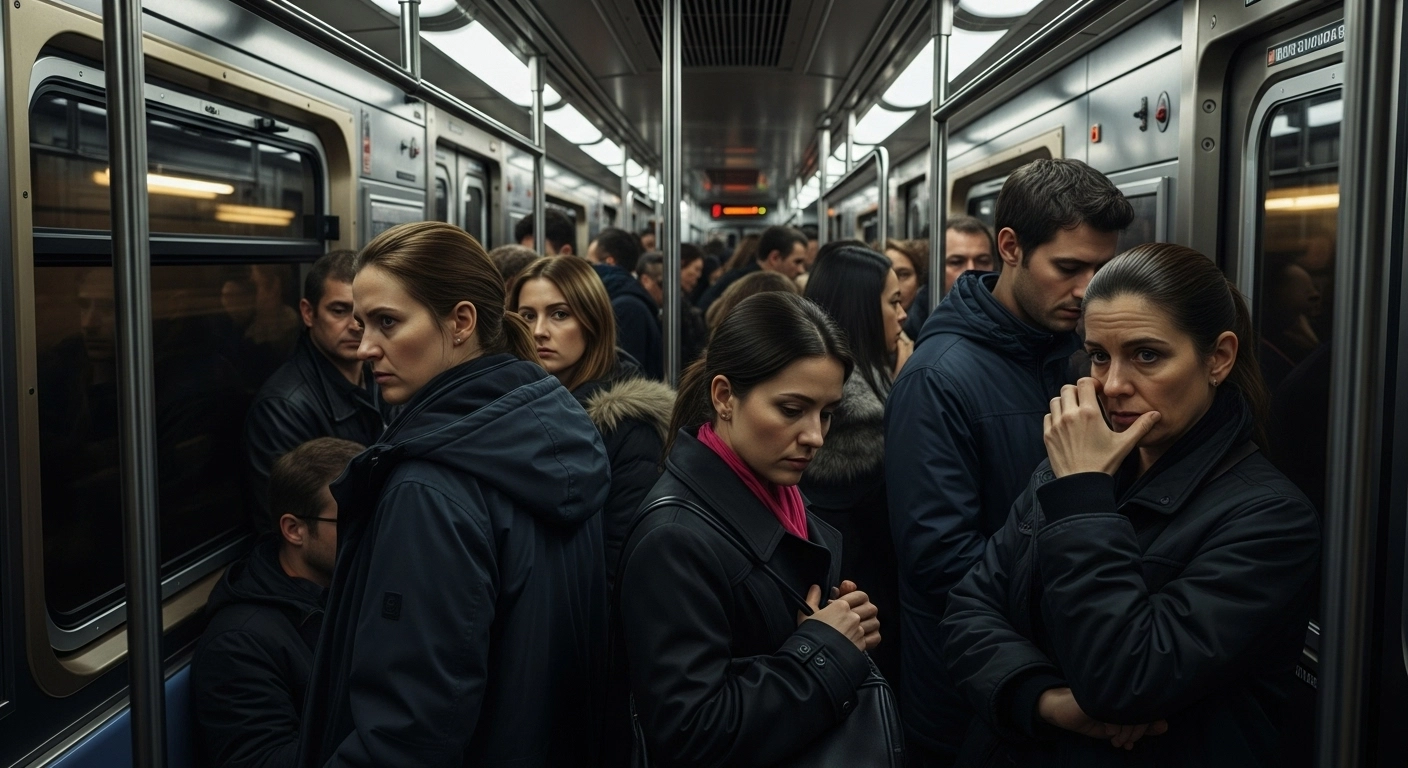
5. Crowded like a packed subway
Meaning: No room to move
Explanation: Urban and relatable
Examples:
• The train was crowded like a packed subway.
• We stood shoulder to shoulder like subway riders.
6. Crowded like fish in a net
Meaning: Trapped in close space
Explanation: Suggests pressure
Examples:
• We felt crowded like fish in a net.
• The crowd pushed us together tightly.
7. Crowded like a full classroom
Meaning: Completely filled
Explanation: Everyday comparison
Examples:
• The hall was crowded like a full classroom.
• Chairs filled the room quickly.
8. Crowded like grains of rice in a bowl
Meaning: Many in small space
Explanation: Visual and simple
Examples:
• People stood crowded like rice grains.
• The queue filled every corner.
9. Crowded like birds on a wire
Meaning: Lined closely together
Explanation: Shows closeness
Examples:
• Fans sat crowded like birds on a wire.
• We waited tightly along the wall.
10. Crowded like a festival ground
Meaning: Large and lively crowd
Explanation: Energetic image
Examples:
• The street was crowded like a festival.
• Music pulled people together.
11. Crowded like pages in a book
Meaning: Packed closely
Explanation: Calm but full
Examples:
• The shelves were crowded like pages.
• Small shops filled the lane.
12. Crowded like people at a sale
Meaning: Rushed and busy
Explanation: Shows excitement
Examples:
• The store was crowded like a sale day.
• Shoppers pushed forward.
13. Crowded like stones in a jar
Meaning: No empty space
Explanation: Tight fit
Examples:
• The room felt crowded like stones in a jar.
• Every corner was filled.
14. Crowded like clouds in a stormy sky
Meaning: Heavy and dense
Explanation: Dramatic feel
Examples:
• People gathered crowded like storm clouds.
• The air felt heavy.
15. Crowded like shoppers before a holiday
Meaning: Busy and noisy
Explanation: Seasonal image
Examples:
• Malls were crowded before the holiday.
• Lines stretched everywhere.
16. Crowded like kids on a playground
Meaning: Full and energetic
Explanation: Lively mood
Examples:
• The park was crowded like a playground.
• Laughter filled the space.
17. Crowded like seats in a cinema
Meaning: Fully occupied
Explanation: Clear visual
Examples:
• The hall was crowded like a cinema.
• Not a seat was empty.
18. Crowded like branches full of birds
Meaning: Overloaded
Explanation: Natural imagery
Examples:
• The bus stop was crowded like bird branches.
• People waited everywhere.
19. Crowded like a narrow bridge
Meaning: Tight movement
Explanation: Limited space
Examples:
• The path felt crowded like a bridge.
• We moved slowly forward.
20. Crowded like a beehive at noon
Meaning: Extremely active
Explanation: Busy and loud
Examples:
• The bazaar was crowded like a noon beehive.
• Voices echoed everywhere.
Practical Exercise: Practice Similes for Crowded
Questions
- Complete: The bus was crowded like a ___ of sardines.
- Identify the simile: The market was crowded like ants on sugar.
- Fill in: The room felt crowded like fish in a ___.
- Which word shows comparison: like or because?
- Choose the simile: crowded / crowded like bees in a hive
- Complete: The mall was crowded like rush-hour ___.
- True or False: Similes use “as” or “like.”
- Fill in: Crowded like birds on a ___.
- Identify: Is “crowded like stones in a jar” a simile?
- Write one word used to compare in similes.
Answers with Explanations
- Can – shows tight space
- Simile – uses “like”
- Net – shows trapped space
- Like – comparison word
- Crowded like bees in a hive – creative simile
- Traffic – busy image
- True – simile rule
- Wire – close together
- Yes – clear comparison
- Like / As – simile markers
Conclusion
Similes turn simple writing into vivid storytelling. Instead of just saying a place is crowded, similes help readers see and feel the scene. They are easy to learn and powerful to use, especially in creative writing.
By practicing simile sentences and understanding the meaning of similes, you improve your descriptions and make your writing more engaging. You might say a place is crowded like a beehive, a subway, or a can of sardines, depending on the feeling you want to show.
Now it’s your turn. Try creating your own similes for crowded places around you. The more you practice, the more natural they’ll feel. Writing becomes fun when your words come alive.

I am Theodore is a creative content writer at Simlixs.com who focuses on similes and simple language learning. He writes clear, engaging content to help readers improve their writing skills.