Let’s be honest, bad smells are hard to describe with plain words. Saying “it smelled bad” doesn’t really help the reader imagine anything. That’s where similes for smelling bad come in.
Similes allow you to compare one thing to another using like or as, making your writing clearer, stronger, and more memorable.
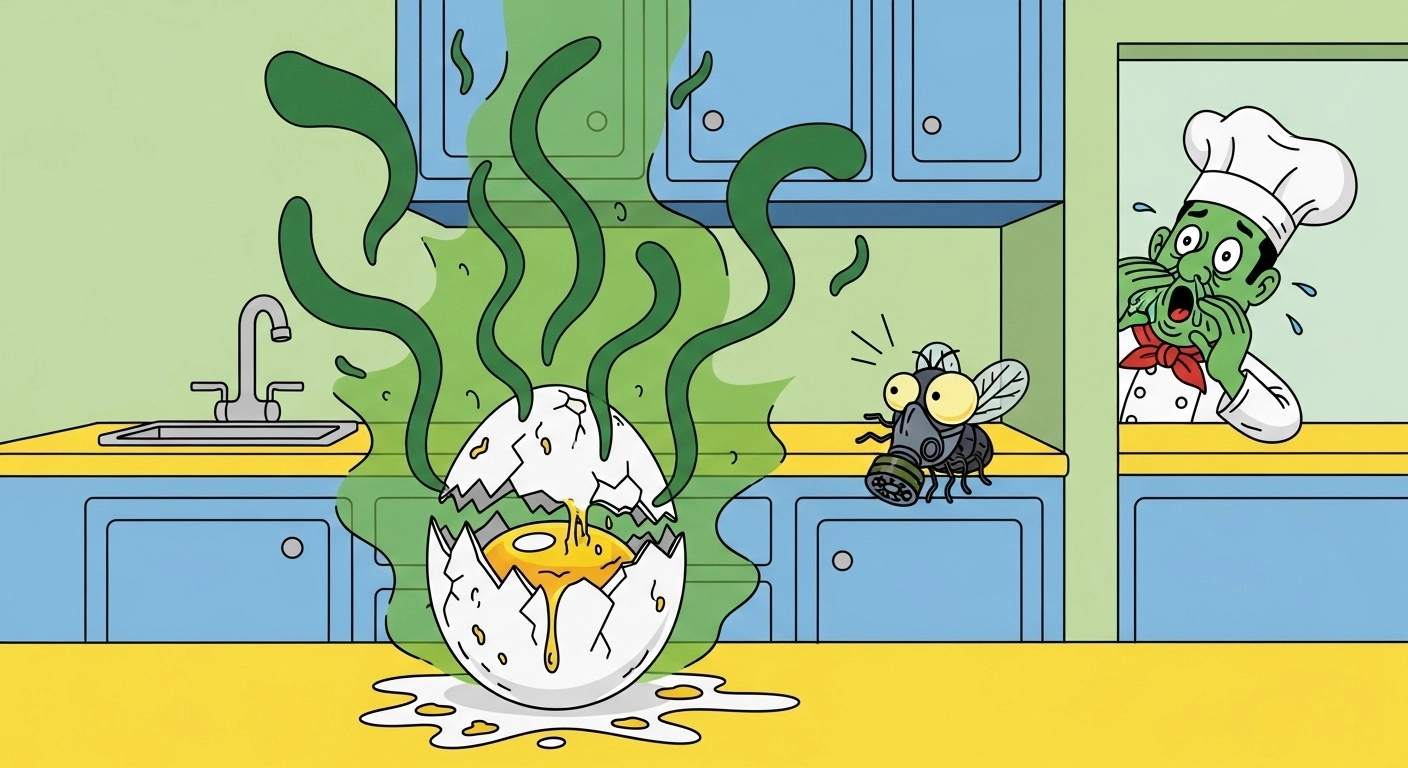
In simple terms, a simile helps your reader experience the smell instead of just reading about it. For example, when you say “the room smelled like rotten eggs,” the image is instant. We’ve all been there, and we know exactly how unpleasant that feels. That’s the power of similes.
If you’re learning creative writing, similes are one of the easiest tools to master. They add humor, drama, or realism without making your sentences complicated.
In this guide, let’s explore the meaning of similes, look at clear examples of similes for bad smells, and practice how to use similes in writing. By the end, you’ll feel confident creating your own simple sentences.
20 Similes for Smelling Bad (With Meaning & Examples)
1. The garbage smelled like rotten eggs.
Meaning: Extremely unpleasant smell.
Explanation: Rotten eggs are widely known for their strong odor.
Examples:
- The garbage smelled like rotten eggs in the heat.
- His lunch bag smelled like rotten eggs.
2. The room smelled like a dead animal.
Meaning: A very strong, decaying smell.
Explanation: Suggests something old and spoiled.
Examples:
- The basement smelled like a dead animal.
- The fridge smelled like something had died inside.
Read more:Similes for Beautiful Places (With Meaning, Examples & Practice)
3. His socks smelled like spoiled cheese.
Meaning: Sharp and sour odor.
Explanation: Adds humor and realism.
Examples:
- His socks smelled like spoiled cheese.
- The locker smelled like old cheese.
4. The drain smelled like rotten food.
Meaning: A stale, decaying smell.
Explanation: Common everyday comparison.
Examples:
- The sink smelled like rotten food.
- The alley smelled like spoiled leftovers.
Read more:Similes for Having Fun: Meaning, Examples, and Easy Practice
5. The air smelled like garbage left in the sun.
Meaning: Strong, heated odor.
Explanation: Shows how heat makes smells worse.
Examples:
- The air smelled like garbage in summer.
- The street smelled like trash under the sun.
6. His breath smelled like old fish.
Meaning: Very unpleasant mouth odor.
Explanation: Creates a vivid, uncomfortable image.
Examples:
- His breath smelled like old fish.
- The smell hit me as he spoke.
7. The bathroom smelled like a dirty dumpster.
Meaning: Extremely foul smell.
Explanation: Strong comparison for exaggeration.
Examples:
- The bathroom smelled like a dumpster.
- The public restroom smelled awful.
8. The milk smelled like sour garbage.
Meaning: Spoiled liquid smell.
Explanation: Combines two bad-smell ideas.
Examples:
- The milk smelled like sour garbage.
- I threw it away immediately.
9. The shoes smelled like wet socks.
Meaning: Musty and damp odor.
Explanation: Very relatable simile.
Examples:
- His shoes smelled like wet socks.
- The closet smelled damp and stale.
10. The fridge smelled like forgotten leftovers.
Meaning: Old food smell.
Explanation: Everyday household experience.
Examples:
- The fridge smelled like old leftovers.
- Something was clearly forgotten.
11. The alley smelled like rotting trash.
Meaning: Strong decay smell.
Explanation: Creates a gritty image.
Examples:
- The alley smelled like rotting trash.
- We walked faster to escape it.
12. The carpet smelled like moldy bread.
Meaning: Damp and unhealthy smell.
Explanation: Suggests moisture damage.
Examples:
- The carpet smelled like moldy bread.
- The room felt unhealthy.
13. The bin smelled like spoiled meat.
Meaning: Very intense odor.
Explanation: Shows seriousness of the smell.
Examples:
- The bin smelled like spoiled meat.
- No one wanted to open it.
14. The room smelled like sweaty clothes.
Meaning: Body odor smell.
Explanation: Common and clear comparison.
Examples:
- The gym smelled like sweaty clothes.
- His room needed fresh air.
15. The water smelled like dirty socks.
Meaning: Unclean, stagnant smell.
Explanation: Shows contamination.
Examples:
- The water smelled like dirty socks.
- I refused to drink it.
16. The trash can smelled like decay.
Meaning: Strong rot smell.
Explanation: Simple but effective simile.
Examples:
- The trash can smelled like decay.
- It needed emptying.
17. The food smelled like it had gone bad days ago.
Meaning: Spoiled smell.
Explanation: Shows time-based decay.
Examples:
- The food smelled terrible.
- Everyone stepped back.
18. The locker smelled like old sweat.
Meaning: Stale body odor.
Explanation: Very relatable.
Examples:
- The locker smelled like old sweat.
- No one wanted to change there.
19. The basement smelled like damp rot.
Meaning: Moist decay smell.
Explanation: Creates a dark mood.
Examples:
- The basement smelled like damp rot.
- It needed cleaning.
20. The shoes smelled like something had died.
Meaning: Extremely bad smell.
Explanation: Exaggeration for impact.
Examples:
- His shoes smelled like death.
- Everyone laughed and backed away.
Practical Exercise: Practice Similes
Questions
- Complete: The trash smelled like _______.
- Identify the smile: “The room smelled like rotten eggs.”
- Is this a simile? “The smell was terrible.”
- Complete: His socks smelled like _______.
- Choose a better simile for bad smell.
- Fill in: The fridge smelled like _______.
- What does “smelled like spoiled meat” suggest?
- Identify the comparison word.
- Complete: The air smelled like garbage left in the _______.
- Write your own simile for a bad smell.
Answers (With Explanations)
- Garbage – common comparison.
- Yes – uses like.
- No – no comparison used.
- Spoiled cheese – clear image.
- Rotten eggs – strong example.
- Old leftovers – realistic.
- Strong decay smell.
- Like – shows comparison.
- Sun – heat worsens smell.
- Example: It smelled like rotten fruit.
Conclusion
Similes make writing clearer, stronger, and more engaging especially when describing unpleasant things like bad smells. Instead of telling the reader “it was awful,” similes help them imagine the smell instantly. That’s why creative writing similes are so powerful.
Now that you’ve explored these examples of similes, try creating your own. Listen, smell, and observe the world around you. Then ask yourself, “What does this remind me of?” With practice, using similes in writing will feel natural and fun.

I am Theodore is a creative content writer at Simlixs.com who focuses on similes and simple language learning. He writes clear, engaging content to help readers improve their writing skills.