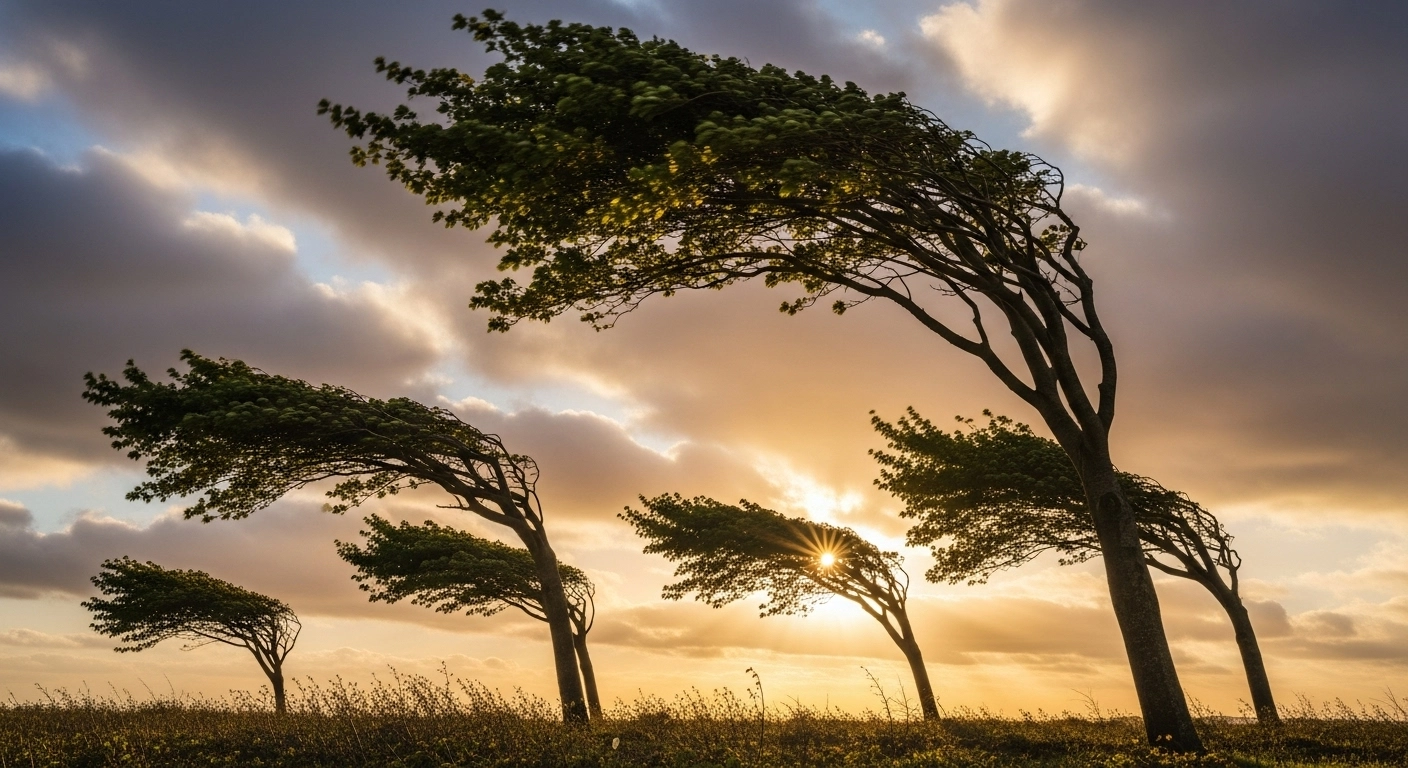
Have you ever watched trees move in the wind and thought, “That looks like something alive”?That’s where similes come in.In simple terms, similes help us compare one thing to another so readers can see, feel, or imagine it better.
When we talk about similes for trees in the wind, we’re using creative comparisons to describe how trees sway, bend, dance, or whisper as the wind passes through them.
Writers use similes because plain descriptions can feel flat, but similes bring words to life.
For example, instead of saying “The trees moved,” you might say, “The trees swayed like dancers in a slow song.” See the difference? One feels alive, the other feels dull.
In creative writing, similes are powerful tools. They improve storytelling, poetry, essays, and even school assignments.
In this article, let’s explore what similes mean, look at real examples of similes, and learn how to use similes in writing step by step, in the easiest way possible.
What Is a Simile? (Simple Explanation)
A simile is a figure of speech that compares two things using the words “like” or “as.”
In simple terms, similes explain something unfamiliar by comparing it to something familiar.
Example:
The trees bent like tired soldiers in the wind.
Here, the trees are compared to soldiers to show exhaustion and movement.
Similes make writing:
- More vivid
- Easier to imagine
- More creative and emotional
20 Similes for Trees in the Wind (With Meaning & Examples)
1. Trees swayed like dancers on a stage
Meaning: Graceful, rhythmic movement
Explanation: Shows elegance and flow
Examples:
- The trees swayed like dancers on a stage during the breeze.
- In the evening wind, the trees moved like dancers in harmony.
2. Trees bent like old men bowing
Meaning: Slow, heavy movement
Explanation: Suggests age or wear
Examples:
- The trees bent like old men bowing to the storm.
- In strong winds, the forest leaned like tired elders.
3. Trees shook like nervous hands
Meaning: Quick, shaky movement
Explanation: Shows fear or tension
Examples:
- The trees shook like nervous hands in the cold wind.
- Branches trembled like anxious fingers.
4. Trees waved like flags in a parade
Meaning: Continuous, visible motion
Explanation: Suggests energy and openness
Examples:
- The trees waved like flags in a parade.
- Tall trees fluttered proudly in the wind.
5. Trees moved like sea waves
Meaning: Smooth, rolling motion
Explanation: Creates a calming image
Examples:
- The forest moved like sea waves under the sky.
- Wind turned the trees into a green ocean.
6. Trees leaned like drunk friends
Meaning: Unsteady movement
Explanation: Adds humor and realism
Examples:
- The trees leaned like drunk friends after midnight.
- Wind made the branches stumble sideways.
7. Trees whispered like secrets
Meaning: Soft, gentle sound
Explanation: Suggests quietness
Examples:
- The trees whispered like secrets in the wind.
- Leaves shared secrets all night long.
8. Trees danced like children at a festival
Meaning: Joyful movement
Explanation: Shows happiness
Examples:
- The trees danced like children at a festival.
- Wind filled the forest with playful energy.
9. Trees bowed like polite guests
Meaning: Gentle bending
Explanation: Suggests respect
Examples:
- The trees bowed like polite guests greeting the wind.
- Branches dipped softly.
10. Trees shook like rattling bones
Meaning: Strong, rough movement
Explanation: Adds drama
Examples:
- Trees shook like rattling bones during the storm.
- The wind made the forest shiver.
11. Trees twisted like snakes
Meaning: Curved movement
Explanation: Creates sharp imagery
Examples:
- Branches twisted like snakes in the wind.
- The storm made the trees curl wildly.
12. Trees swayed like cradle songs
Meaning: Gentle motion
Explanation: Calm and soothing
Examples:
- Trees swayed like cradle songs at dusk.
- The breeze rocked them peacefully.
13. Trees flapped like bird wings
Meaning: Fast movement
Explanation: Shows speed
Examples:
- Leaves flapped like bird wings.
- Wind lifted the branches quickly.
14. Trees leaned like soldiers under command
Meaning: Unified movement
Explanation: Shows control
Examples:
- Trees leaned like soldiers under command.
- The wind moved them together.
15. Trees creaked like old doors
Meaning: Noisy movement
Explanation: Adds sound imagery
Examples:
- Trees creaked like old doors.
- The forest echoed in the wind.
16. Trees shook like frightened animals
Meaning: Fearful movement
Explanation: Shows danger
Examples:
- Trees shook like frightened animals.
- The storm scared the forest.
17. Trees moved like slow dancers
Meaning: Relaxed pace
Explanation: Peaceful tone
Examples:
- Trees moved like slow dancers at sunset.
- Evening winds softened the forest.
18. Trees swayed like hanging curtains
Meaning: Light, flowing motion
Explanation: Visual softness
Examples:
- Trees swayed like hanging curtains.
- The breeze gently pulled them.
19. Trees shook like shivering people
Meaning: Cold or fear
Explanation: Human emotion
Examples:
- Trees shook like shivering people in winter.
- The wind chilled the woods.
20. Trees danced like flames
Meaning: Fast, lively motion
Explanation: Shows intensity
Examples:
- Trees danced like flames in the storm.
- Branches flickered wildly.
Practical Exercise: Try These Yourself
Questions
- Complete: Trees swayed like ______ in the wind.
- Identify the simile: The trees bent like tired workers.
- Fill in: Trees whispered like ______.
- Which word shows comparison: like or because?
- True or False: Similes use “like” or “as.”
- Complete: Trees shook like ______ during the storm.
- Identify: Is “Trees danced like flames” a simile?
- Fill in: Trees leaned like ______ friends.
- Choose the simile:
a) Trees moved fast
b) Trees moved like waves - Write your own simile for trees in wind.
Answers with Explanation
- dancers – shows graceful motion
- Simile – uses “like”
- secrets – soft sound
- like – used in similes
- True – basic rule
- frightened animals – fear
- Yes – uses comparison
- drunk – unsteady motion
- b – comparison used
- Answers may vary – creativity encouraged
Conclusion
Similes are one of the easiest and most powerful tools in creative writing. They turn simple sentences into images readers can see and feel. When you use similes for trees in the wind, you’re not just describing movement you’re creating emotion, sound, and atmosphere.
In simple terms, similes help your writing breathe. They make stories richer, poems stronger, and descriptions more memorable. Whether you’re a student, teacher, or beginner writer, practicing similes will improve your confidence and creativity.
So next time you see trees moving in the wind, don’t just watch, imagine, compare, and write. You might say something new, something beautiful, or something unforgettable.
About The Author