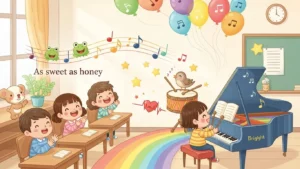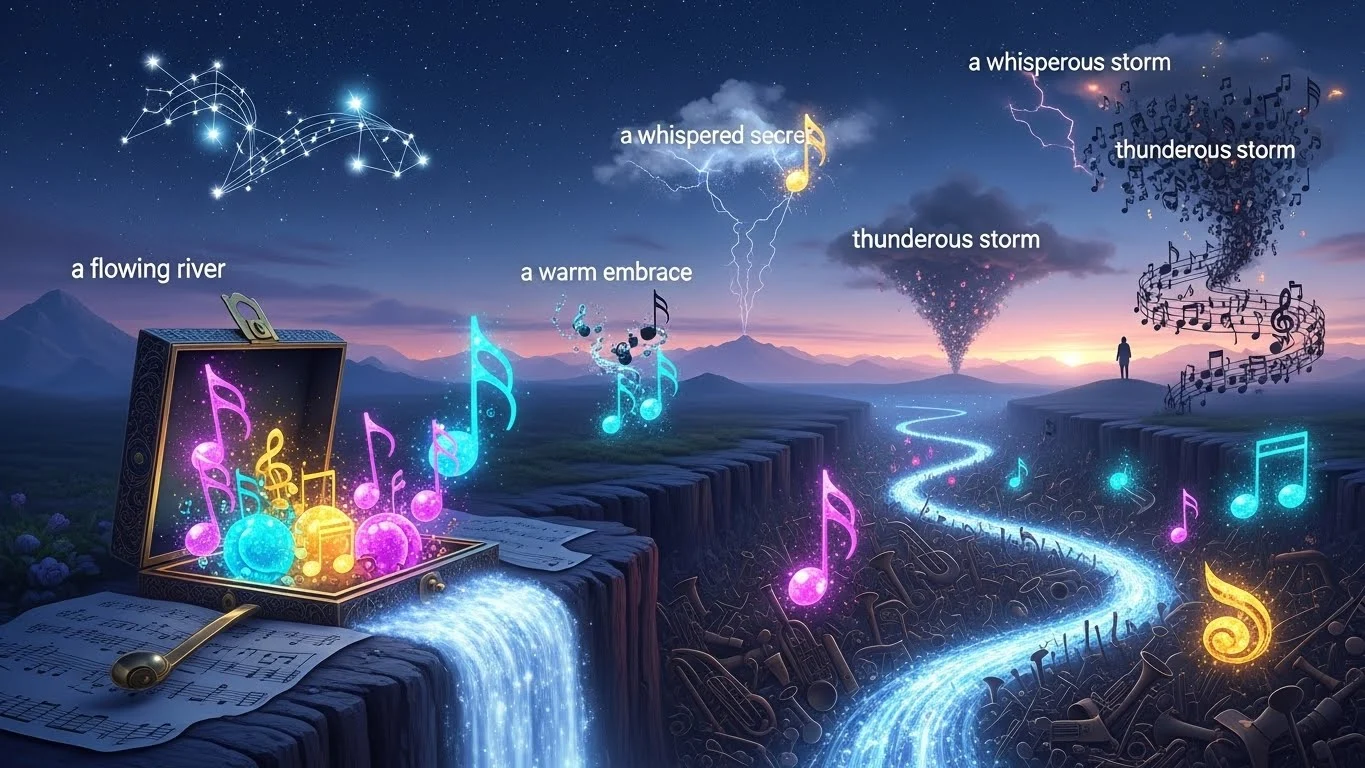
Let’s talk about music because sometimes, plain words just aren’t enough to describe how it feels. You might say music is beautiful or loud, but that doesn’t always capture the emotion, right?
This is where similes come in. Similes help you compare music to something familiar, so the reader can feel it instead of just reading about it.
In simple terms, similes make writing more vivid and alive. If you’re learning creative writing, similes are one of the easiest and most powerful tools you can use. They turn ordinary sentences into memorable ones.
Instead of saying the music was calming, you might say the music flowed like a gentle river. See the difference?
In this post, we’ll explore similes for music in a friendly, beginner-level way. You’ll learn what similes are, see clear examples of similes used in context, and practice creating your own.
By the end, you’ll know exactly how to use similes in writing to make music come alive on the page.
Let’s explore together.
What Is a Simile? (Explained Simply)
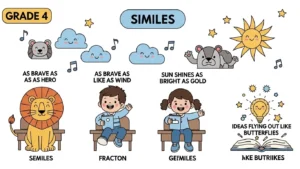
A simile is a figure of speech that compares two different things using “like” or “as.”
For example: Music was like a warm hug.
The meaning of similes is simplethey help readers understand feelings, sounds, or ideas by linking them to something familiar.
In creative writing, similes add emotion, clarity, and imagination. They help your reader hear the music, feel the rhythm, and sense the mood.
20 Similes for Music (With Meaning & Examples)
1. Music flowed like a river
Meaning: Smooth and continuous
Explanation: Shows calm and steady sound
Examples:
- The music flowed like a river through the hall.
- Her piano playing flowed like a river at dawn.
Similes for Although (Explained Simply with Examples)for(2026)
2. The song hit like a wave
Meaning: Strong emotional impact
Explanation: Sudden and powerful feeling
Examples:
- The sad song hit like a wave.
- His voice hit like a wave of emotion.
3. Music sparkled like sunlight
Meaning: Bright and joyful
Explanation: Light, happy tones
Examples:
- The melody sparkled like sunlight.
- Her laughter mixed with music that sparkled like sunlight.
Similes for Heavy Rain (With Meaning, Examples & Practice)
4. The beat thumped like a heartbeat
Meaning: Steady and rhythmic
Explanation: Strong, living rhythm
Examples:
- The beat thumped like a heartbeat.
- The bass thumped like a heartbeat in my chest.
5. Music wrapped around me like a blanket
Meaning: Comforting
Explanation: Safe and warm feeling
Examples:
- The soft music wrapped around me like a blanket.
- His voice wrapped around her like a blanket.
6. The melody danced like fire
Meaning: Energetic and lively
Explanation: Fast and exciting sound
Examples:
- The melody danced like fire.
- Guitar notes danced like fire in the air.
7. Music whispered like the wind
Meaning: Soft and gentle
Explanation: Quiet and calming
Examples:
- The music whispered like the wind.
- A flute whispered like the wind at night.
8. The song exploded like fireworks
Meaning: Loud and exciting
Explanation: Sudden burst of sound
Examples:
- The chorus exploded like fireworks.
- Drums exploded like fireworks on stage.
9. Music lingered like perfume
Meaning: Long-lasting
Explanation: Stays in memory
Examples:
- The tune lingered like perfume.
- Her song lingered like perfume in my mind.
10. The rhythm ran like a train
Meaning: Fast and unstoppable
Explanation: Strong forward movement
Examples:
- The rhythm ran like a train.
- The beat ran like a train through the song.
11. Music soared like a bird
Meaning: Free and uplifting
Explanation: High and emotional
Examples:
- The music soared like a bird.
- Her high notes soared like a bird.
12. The song melted like ice
Meaning: Smooth and emotional
Explanation: Gentle change in feeling
Examples:
- The song melted like ice.
- His voice melted like ice in summer.
13. Music crashed like thunder
Meaning: Very loud
Explanation: Powerful sound
Examples:
- The drums crashed like thunder.
- Music crashed like thunder in the stadium.
14. The tune floated like a cloud
Meaning: Light and dreamy
Explanation: Soft and airy sound
Examples:
- The tune floated like a cloud.
- Her humming floated like a cloud.
15. Music burned like fire
Meaning: Passionate
Explanation: Intense emotion
Examples:
- The music burned like fire.
- His guitar burned like fire on stage.
16. The song echoed like a memory
Meaning: Emotional and reflective
Explanation: Brings back feelings
Examples:
- The song echoed like a memory.
- Music echoed like a memory of home.
17. Music poured like rain
Meaning: Continuous sound
Explanation: Steady flow
Examples:
- Music poured like rain.
- Notes poured like rain from the piano.
18. The melody glided like a swan
Meaning: Smooth and graceful
Explanation: Elegant sound
Examples:
- The melody glided like a swan.
- Her violin glided like a swan on water.
19. Music struck like lightning
Meaning: Sudden impact
Explanation: Quick and sharp
Examples:
- The beat struck like lightning.
- Music struck like lightning in the silence.
20. The song hugged my heart like a friend
Meaning: Emotional comfort
Explanation: Deep connection
Examples:
- The song hugged my heart like a friend.
- His music hugged my heart like a friend.
Practical Exercise: Practice Similes for Music
Questions
- Music was as soft as ___
- The beat hit like ___
- The melody flowed like ___
- Music exploded like ___
- The song whispered like ___
- Rhythm ran like ___
- Music wrapped me like ___
- The tune floated like ___
- The chorus crashed like ___
- Music lingered like ___
Answers & Explanations
- a feather – shows softness
- a wave – strong feeling
- a river – smooth flow
- fireworks – loud and exciting
- the wind – gentle sound
- a train – fast rhythm
- a blanket – comfort
- a cloud – dreamy feeling
- thunder – powerful sound
- perfume – long-lasting memory
Conclusion
Similes are small tools with big power. They help turn simple sentences into emotional experiences. When you use similes for music, you help your reader hear the sound, feel the rhythm, and connect with the emotion behind it.
In creative writing, similes make your work clearer, stronger, and more engaging. Now that you’ve seen many simile sentences and practices using them, you’re ready to try your own. Listen to a song and ask yourself: What does this sound feel like?

I am Ali Hassan is a renowned British singer and songwriter, formerly of One Direction. His solo career and unique style have inspired fans worldwide simlixs.com.
About The Author